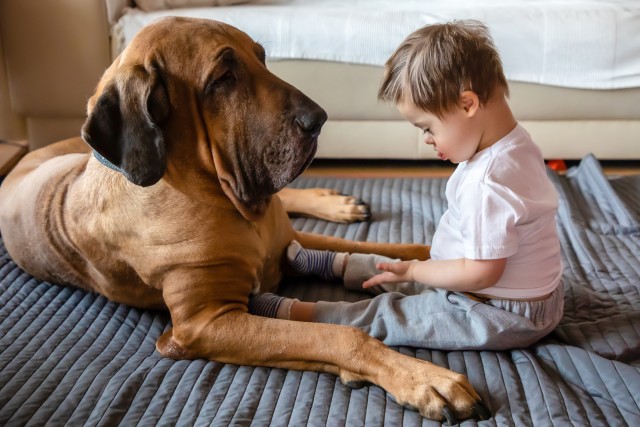
Adopt a Dog from a Shelter: What to Expect During the Process
For many people, Adopt a Dog from a Shelter, the decision to adopt a dog starts with a simple thought: “I think I’m ready for a dog.”
Then reality sets in.
Questions begin to pile up. How does the adoption process work? How long does it take? What paperwork is required? Will the shelter approve my application? What if the dog doesn’t adjust well?
If you’ve never adopted before, these questions are completely normal.
The good news is that most shelters want exactly what you want: a successful, lifelong match between a dog and a loving family. The adoption process may seem intimidating at first, but it’s designed to ensure that both the adopter and the dog are set up for success.
Whether you’re searching for a playful puppy, an active companion, or a calm senior dog, understanding the adoption process can make the experience far less stressful.
Resources such as Animal Shelter List can help you locate shelters, compare adoption opportunities, and learn more about responsible pet ownership before beginning your journey.
Featured Snippet: What Happens When You Adopt a Dog from a Shelter?
When you adopt a dog from a shelter, you’ll typically search available dogs, complete an application, meet potential pets, participate in interviews or screenings, pay an adoption fee, and prepare your home. After adoption, your dog will need time to adjust to their new environment and routine.
Why Shelters Have an Adoption Process
Some people expect adoption to be as simple as selecting a dog and heading home the same day.
While same-day adoptions do happen, most shelters follow a structured process.
Why?
Because shelters want adoptions to succeed.
A thoughtful adoption process helps ensure:
- The dog fits your lifestyle
- You understand the responsibilities involved
- The dog’s needs can be met
- The likelihood of future surrender is reduced
Although requirements vary between organizations, the goal is always the same: finding the right home for each animal.
Step 1: Research Shelters and Available Dogs
The adoption journey usually begins online.
Many prospective adopters browse shelter websites, rescue groups, and adoption directories before visiting in person.
Using resources like animal shelter directories can make it easier to identify shelters and rescue organizations in your area.
As you browse, pay attention to:
- Age
- Size
- Energy level
- Temperament
- Special needs
- Compatibility with children or pets
Try not to focus only on appearance. Personality and lifestyle compatibility matter far more in the long run.
Step 2: Submit an Adoption Application
Once you’ve identified a dog you’re interested in, the next step is usually an adoption application.
Application forms often request information such as:
- Name and contact details
- Housing situation
- Pet ownership history
- Veterinary references
- Work schedule
- Household members
Some applicants worry that shelters are looking for “perfect” owners.
In reality, most shelters simply want enough information to determine whether a dog is likely to thrive in your home.
Step 3: Meet the Dog
This is often the most enjoyable part of the process.
Meeting a dog in person provides valuable insight that photos and descriptions cannot fully capture.
During your visit, observe:
- Energy level
- Body language
- Interaction with people
- Response to commands
- Comfort around children if applicable
Many shelters encourage multiple visits before finalizing an adoption.
Taking your time is perfectly acceptable and often recommended.
Step 4: Ask Questions
Shelter staff spend significant time caring for the dogs and often know them very well.
Ask as many questions as possible.
Important Questions to Ask
- Why was the dog surrendered?
- Has the dog lived with other pets?
- Is the dog house-trained?
- Does the dog have medical needs?
- What is the dog’s exercise requirement?
- How does the dog behave around strangers?
The more information you gather, the more confident you’ll feel about your decision.
Helpful adoption preparation resources can often be found through dog adoption and shelter information guides.
Step 5: Home Checks and Interviews (If Required)
Some shelters and rescue organizations conduct home visits or virtual home checks.
This doesn’t mean they expect perfection.
They’re simply looking for:
- A safe environment
- Secure fencing if applicable
- Adequate living space
- Preparedness for pet ownership
Not every organization requires home checks, but they are common among certain rescues.
Step 6: Pay the Adoption Fee
Adoption fees vary depending on the organization and the dog’s age.
These fees help support shelter operations and often cover services already provided.
Adoption Fees Often Include:
| Service | Frequently Included |
|---|---|
| Vaccinations | Yes |
| Microchipping | Often |
| Spay/Neuter Surgery | Often |
| Health Evaluation | Usually |
| Behavior Assessment | Sometimes |
Compared with purchasing from many breeders, adoption often represents excellent value.
Step 7: Prepare Your Home
Before bringing your dog home, make sure you have essential supplies ready.
- Food and water bowls
- Dog food
- Leash and collar
- ID tags
- Dog bed
- Toys
- Crate if needed
Preparing ahead of time helps create a smoother transition.
Step 8: Bring Your Dog Home
Adoption day is exciting, but it can also be overwhelming for your new companion.
Your dog may feel:
- Excited
- Nervous
- Confused
- Cautious
Keep the environment calm and predictable during the first few days.
Avoid introducing too many visitors or activities immediately.
Understanding the 3-3-3 Adjustment Rule
Many rescue organizations use the 3-3-3 Rule to explain the adjustment process.
| Time Period | Typical Adjustment Stage |
|---|---|
| First 3 Days | Feeling overwhelmed and uncertain |
| First 3 Weeks | Learning routines and expectations |
| First 3 Months | Building trust and confidence |
Patience is critical during this period.
Many dogs become dramatically more relaxed and affectionate once they fully settle into their new environment.
Common Adoption Myths
Myth: Shelter Dogs Have Behavioral Problems
Many shelter dogs are surrendered because of changes in owner circumstances rather than behavioral concerns.
Myth: You Can’t Find Purebred Dogs in Shelters
Purebred dogs regularly become available through shelters and rescue groups.
Myth: Older Dogs Don’t Adapt Well
Many adult and senior dogs transition beautifully into new homes and often require less training than puppies.
Learn More About Dogs
Understanding canine behavior and communication can help improve your adoption experience. The Wikipedia article on Dog provides valuable information about dog behavior, history, and domestication.
Frequently Asked Questions
How long does the shelter adoption process take?
The timeline varies. Some shelters offer same-day adoptions, while others require applications, interviews, and approval processes.
Can I adopt a puppy from a shelter?
Yes. Many shelters and rescue organizations regularly have puppies available for adoption.
What documents do I need to adopt a dog?
Requirements vary, but many shelters request identification, proof of address, and landlord approval if applicable.
Are adoption fees refundable?
Policies differ by organization, so it’s important to ask before completing the adoption process.
Final Thoughts
Adopting a dog from a shelter is more than a transaction. It’s the beginning of a relationship that could last for many years.
While the process may involve applications, interviews, and preparation, every step exists to increase the chances of a successful match.
Approach the journey with patience, realistic expectations, and an open mind. The right dog may not always be the one you initially expected—but often becomes exactly the companion you needed.
Start Your Adoption Journey Today
Visit AnimalShelterList.com to explore local shelters, discover adoptable dogs, and access trusted resources that can help you navigate every step of the dog adoption process with confidence.
“`