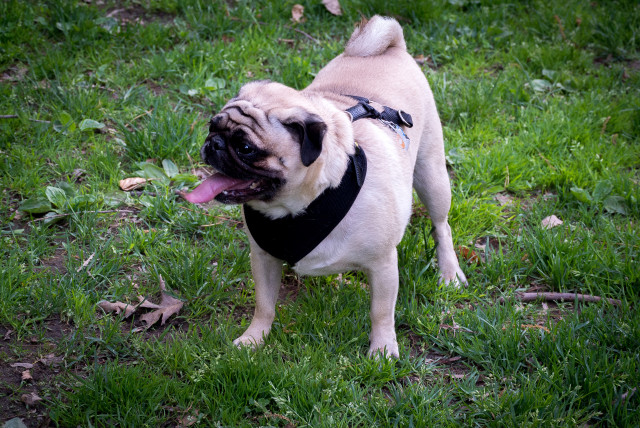
Senior Dogs Need Love Too: Why You Should Adopt a Dog in Its Golden Years
Walk through any animal shelter, and Senior Dogs Need Love Too, you’ll likely notice a familiar pattern.
Puppies attract attention almost immediately. Families gather around them, children point excitedly, and adoption applications start piling up.
Meanwhile, an older dog may quietly watch from a nearby kennel.
No jumping. No barking for attention. Just patient eyes hoping someone will stop and notice.
Unfortunately, senior dogs are often overlooked during the adoption process. Many potential adopters assume older dogs come with too many challenges, too many health concerns, or too little time left to form meaningful bonds.
The reality is often very different.
In fact, experienced dog owners frequently say that adopting a senior dog was one of the most rewarding decisions they ever made.
If you’ve been thinking about adopting a dog, don’t overlook the older companions waiting in shelters and rescue organizations. They may be exactly what you’re looking for.
Featured Snippet: Why Should You Adopt a Senior Dog?
Senior dogs make excellent companions because they are often calmer, already trained, have established personalities, and adapt quickly to home environments. Adopting a senior dog also gives an older shelter pet a second chance at a loving home during its golden years.
The Hidden Challenge Facing Senior Shelter Dogs
While puppies and young dogs are usually adopted quickly, senior dogs often spend much longer waiting for homes.
This isn’t because they’re less deserving.
It’s often because people misunderstand what life with an older dog is actually like.
Many senior dogs enter shelters because of circumstances beyond their control:
- Owner relocation
- Financial hardship
- Family emergencies
- Changes in living situations
- Death or illness of an owner
In many cases, these dogs spent years as beloved family pets before unexpectedly finding themselves in shelters.
Resources available through the Animal Shelter List help connect adopters with senior dogs searching for permanent homes.
What Is Considered a Senior Dog?
The definition varies slightly depending on breed and size.
Generally:
| Dog Size | Typically Considered Senior |
|---|---|
| Small Breeds | 10+ Years |
| Medium Breeds | 8–10 Years |
| Large Breeds | 7–8 Years |
Age alone doesn’t determine quality of life. Many senior dogs remain healthy, active, and affectionate for years.
Benefit #1: You Already Know Their Personality
One of the biggest advantages of senior dog adoption is predictability.
With puppies, you’re often guessing.
Will they be high-energy? Independent? Social? Calm?
With a senior dog, much of that uncertainty disappears.
Shelter staff can usually provide valuable information about:
- Temperament
- Activity level
- Behavior around children
- Compatibility with other pets
- Daily habits
This makes it easier to find a dog that matches your lifestyle.
Benefit #2: Senior Dogs Are Often Already Trained
Puppies are adorable.
They’re also a lot of work.
House training accidents, chewing, nighttime wakeups, and constant supervision are part of raising a young dog.
Many senior dogs have already mastered basic household manners.
Some may already know:
- House training
- Leash walking
- Basic commands
- Car travel
- Home routines
For busy families and first-time dog owners, this can be a significant advantage.
Benefit #3: Lower Energy Doesn’t Mean Lower Love
There’s a misconception that older dogs aren’t playful or affectionate.
Anyone who has adopted a senior dog knows that’s far from the truth.
Many older dogs still enjoy:
- Daily walks
- Interactive toys
- Family time
- Outdoor adventures
- Cuddling on the couch
The difference is that they often balance activity with calmness, making them easier companions for many households.
Benefit #4: They Adjust Surprisingly Well
People sometimes worry that older dogs won’t adapt to a new home.
In reality, many senior dogs transition remarkably well.
Why?
Because what most dogs want isn’t a specific house.
They want safety, consistency, and companionship.
When provided with those things, many senior dogs quickly settle into their new environments.
Many shelters listed through animal shelter directories can provide guidance on helping older dogs adjust successfully.
Benefit #5: You’re Giving an Overlooked Dog a Chance
This benefit is difficult to quantify, but it’s often the one adopters remember most.
Senior dogs are frequently passed over in favor of younger animals.
When you adopt a senior dog, you’re helping a pet that may otherwise struggle to find a home.
That act of compassion can have an enormous impact on the dog’s quality of life.
Senior Dogs vs Puppies
| Factor | Senior Dog | Puppy |
|---|---|---|
| Energy Level | Usually Lower | Often High |
| House Training | Frequently Trained | Requires Training |
| Personality Predictability | High | Developing |
| Exercise Requirements | Moderate | Higher |
| Supervision Needs | Lower | Higher |
Common Myths About Senior Dog Adoption
Myth: Senior Dogs Are Always Sick
Many senior dogs are healthy and receive regular veterinary care while awaiting adoption.
Myth: Older Dogs Can’t Learn New Things
Dogs can continue learning throughout their lives. Many senior dogs adapt quickly to new homes and routines.
Myth: You Won’t Have Enough Time Together
While senior dogs may have fewer years ahead than puppies, the quality of those years can be extraordinary.
Many adopters describe their time with senior dogs as deeply meaningful and rewarding.
How to Find Senior Dogs Available for Adoption
Finding adoptable senior dogs is easier than many people realize.
Resources like AnimalShelterList.com help users locate shelters and rescue organizations where older dogs are available for adoption.
When searching, consider:
- Age range
- Medical needs
- Energy level
- Home environment
- Compatibility with children and pets
Shelter staff can often recommend senior dogs that fit your lifestyle and expectations.
Learn More About Dogs
For additional information about canine behavior, aging, and domestication, visit the Wikipedia article on Dog.
Frequently Asked Questions
Are senior dogs harder to adopt?
Senior dogs often wait longer for homes, but many make excellent companions and adapt well to family life.
Can senior dogs be trained?
Yes. Older dogs can learn new commands, routines, and behaviors with patience and positive reinforcement.
Do senior dogs require special care?
Some senior dogs may have age-related health needs, but many remain active and healthy for years.
Are senior dogs good for first-time owners?
Often, yes. Their calmer nature and existing training can make them easier to manage than puppies.
Final Thoughts
Adopting a senior dog may not be the first option that comes to mind, but it deserves serious consideration.
Older dogs offer companionship, loyalty, gratitude, and stability that many adopters find incredibly rewarding.
While puppies may attract the spotlight, senior dogs have something equally valuable to offer: years of experience loving people.
Sometimes, the dog waiting quietly in the corner kennel turns out to be the perfect companion.
Give a Senior Dog the Home They Deserve
Visit AnimalShelterList.com to discover local shelters, explore senior dog adoption opportunities, and connect with organizations dedicated to helping older pets find loving forever homes.